To understand the Civil War, one must go back to the founding of the Republic. It’s easy to get the idea that all was well in those early years before, during, and after the American Revolution – that the individual states were united in their desire to be liberated from England and that all the colonies and the citizens were of one mind.
They weren’t.
First of all only, about twenty percent of the country wanted to separate from England in the first place. Many Tories fled to Canada never to return. Even after England sued for peace and the colonies united in forming the United States of America, there were significant disagreements about the form of government to be established.
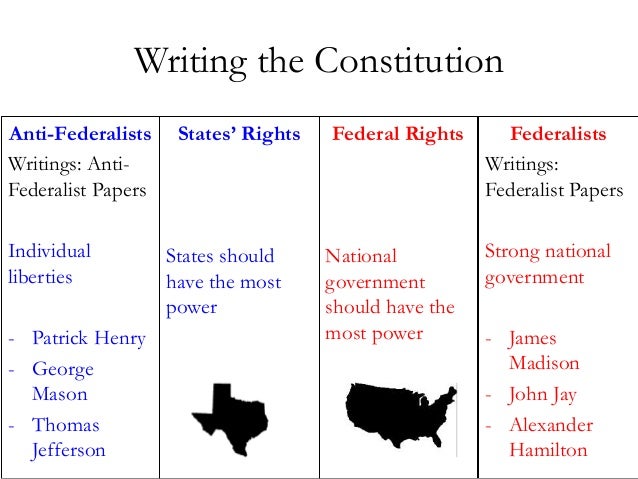
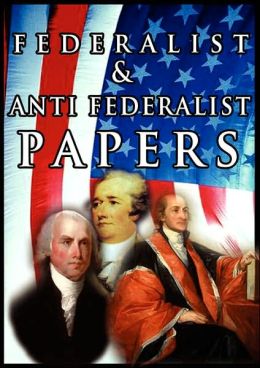
Some of the founders wanted a strong centralized government. Others wanted the documents to emphasize the sovereignty of the individual states and the primacy of states rights and to severely limit the powers of the federal government. The deep disagreements led to the publication of the Federalist Papers advocating for a strong central government ruling over the states and the Anti-Federalist Papers that championed the rights of the individual states and the people against what they feared could become another tyrannical government like the monarchy of England.
Search This Blog
Showing posts with label Federalist Papers. Show all posts
Wednesday, September 27, 2017
Thursday, February 16, 2017
Do You Know Your American History? The Fight for the Constitution!
Ask anybody what they know about the ratification of the Constitution and most won't have a clue. Maybe they'll be able to spout the phrase, "the miracle at Philadelphia," from the title of the famous book by Catherine Bowen; but probably few can even do that. What do they know about the Constitution's contents? Most have never read it and know little or nothing.
How many, for example, know that ratification was not a foregone conclusion and that there was a bitter fight over it?
Subscribe to:
Posts (Atom)